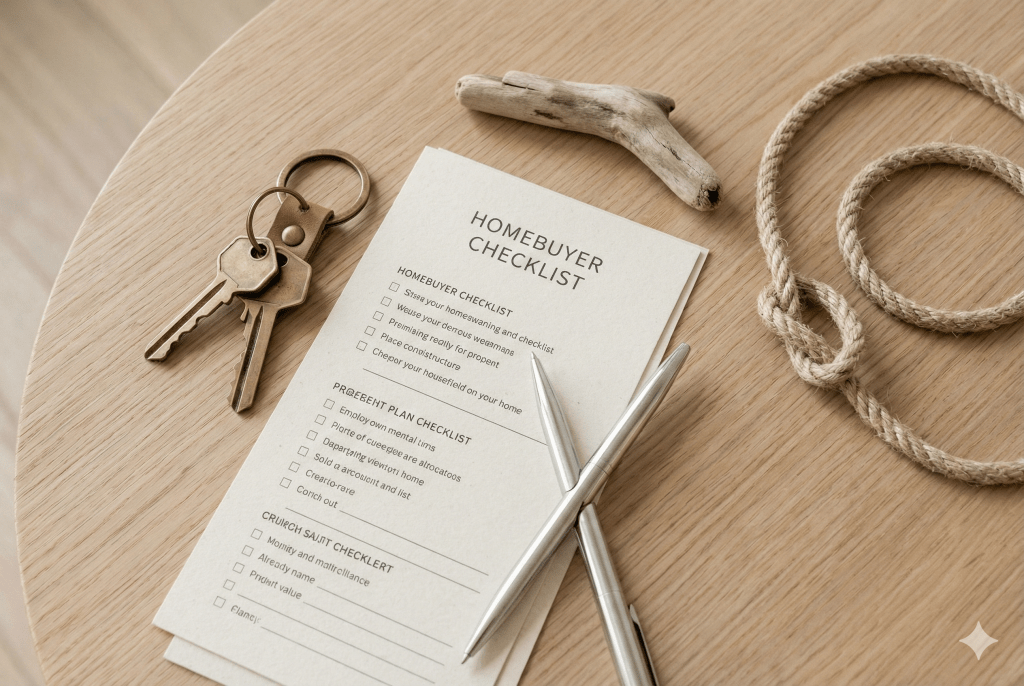
Buying a home can feel exciting, overwhelming, and honestly a little confusing all at once — especially if you’re a first-time buyer or you haven’t purchased a home in years. Chances are you’re wondering how the process works, how much money you need, and which professionals you should trust along the way. The good news is you’re in the right place. This guide walks you through each step, from the moment you decide it’s time to buy to the moment you’re handed the keys.
1. Finding a Realtor to work with
Your agent is the person who will guide you through every part of the home-buying process, so choosing the right one matters. Talk to friends and family about who they worked with, what they liked, what they didn’t, and whether they’d work with that agent again. Then interview the agents who stand out. Look for someone you trust, someone experienced, and someone you’re comfortable spending time with. Once you’ve found the right fit, you’ll sign a buyer representation agreement to officially begin working together.
2. Signing a buyer representation agreement
This step usually feels intimidating for new buyers, but it’s now required by law in Connecticut if you want an agent to show you homes. If you’ve chosen a great agent, you’re in good hands. Every brokerage uses its own version of the agreement, but the purpose is the same: it outlines your working relationship and ensures your agent is legally committed to representing your best interests.
3. Getting pre-approved for a loan
After you’ve selected your agent and signed the agreement, the next step is getting pre-approved by a mortgage lender. Technically, you can do this earlier, but I always recommend asking your agent who they trust. I’ve seen deals fall apart because buyers used lenders who were unresponsive or unreliable. A strong lender makes the entire process smoother and ensures your deal stays on track.
4. Choosing an attorney
You don’t need to choose an attorney immediately, but it’s smart to have one lined up once your offer is accepted. If you already have an attorney you trust, that’s great — just make sure they have experience with real estate transactions. If not, your agent can recommend someone reliable. Just like with lenders, an inexperienced attorney can slow down or complicate your transaction.
5. Deciding on your wants vs. needs

Before you start touring homes, get clear on the difference between what you want and what you truly need. This helps you focus during showings and helps your agent refine your MLS search criteria. Your needs keep you grounded, while your wants help guide the overall direction of your search.
6. Visiting open houses and private showings

Once your agent sets up your search, you’ll start receiving listings that match your criteria. From there, you can tour homes through open houses or private showings. This is where you start to get a feel for what’s out there and what fits your priorities.
7. Choosing a home and writing an offer
When you find a home you love, you and your agent will talk through the offer terms: price, deposit amounts, inspection preferences, and closing timeline. Once everything is decided, your agent prepares the offer for your signature.
8. Submitting your offer
After you sign, your agent submits the offer to the listing agent. You can usually expect a response within 48 hours. If the offer is accepted, you’ll have a set number of days to deliver the earnest money deposit to the location specified in the contract.
9. Offer accepted?
Once your offer is accepted, your agent will review all key dates in the contract with you. These include deadlines for earnest money, inspections, additional deposits, and mortgage contingencies. The main priorities right away are getting your earnest money delivered and scheduling inspections.
10. The inspection process
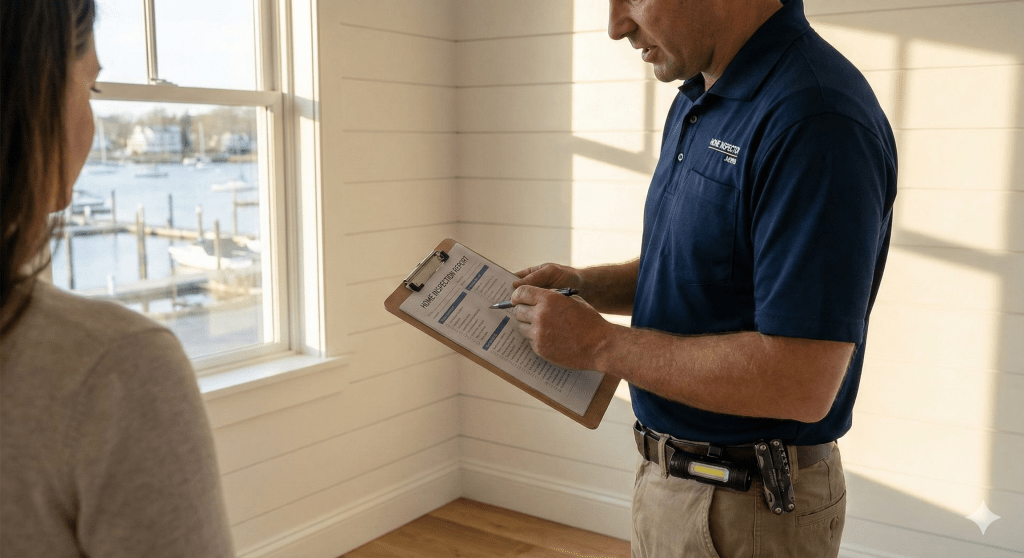
Inspections can feel like a big part of the process, but a good agent will make it straightforward. Your contract outlines how many days you have to complete your inspections, share results with the seller, and negotiate any issues found. Common inspections include home, septic, well, and radon. Buyers are responsible for the costs. If you and the seller can’t reach an agreement by the deadline, you have the right to cancel the contract and receive your deposit back.
11. Attorney and lending process
Once inspections are settled, your agent will update your attorney and lender so they can begin the next steps. Your lender will start processing your loan, and your attorney will order the title search. Your lender will reach out to you for documents, while your attorney works behind the scenes to prepare for closing.
12. Homeowners insurance and utilities
This is a good time to gather homeowners insurance quotes. You need a policy in place before closing. I recommend starting with your auto insurance provider — bundling often helps. Once you have a confirmed closing date, you can arrange to transfer the utilities into your name.
13. Closing day

You made it. On closing day, you and your agent complete a final walkthrough to confirm the home is in the same condition and that agreed-upon repairs are done. Your attorney will coordinate the wire transfer to the seller’s attorney, and once everything is confirmed, you’re officially a homeowner.
Buying a home in Connecticut can feel overwhelming at first, but the process becomes much more manageable when you have the right guidance and a clear plan. Each step brings you closer to turning the key in your new front door. If you follow this checklist and surround yourself with trusted professionals, you’ll move through the journey with confidence. When you’re ready to start, I’m here to guide you every step of the way.
 Your Expert Guide to Life Along the Connecticut Shoreline
Leave a comment