
One of the most common questions I hear from buyers—whether it’s your first home or your fifth—is about home inspections. What actually happens during an inspection? Which issues can you ask the seller to repair or compensate you for? And if serious problems are found, can you get your deposit back?
These are all reasonable questions. In this guide, I’ll walk you through what to expect for each type of inspection in Connecticut and how to use the results to make smart decisions.
Common Inspections in Connecticut
Home Inspection
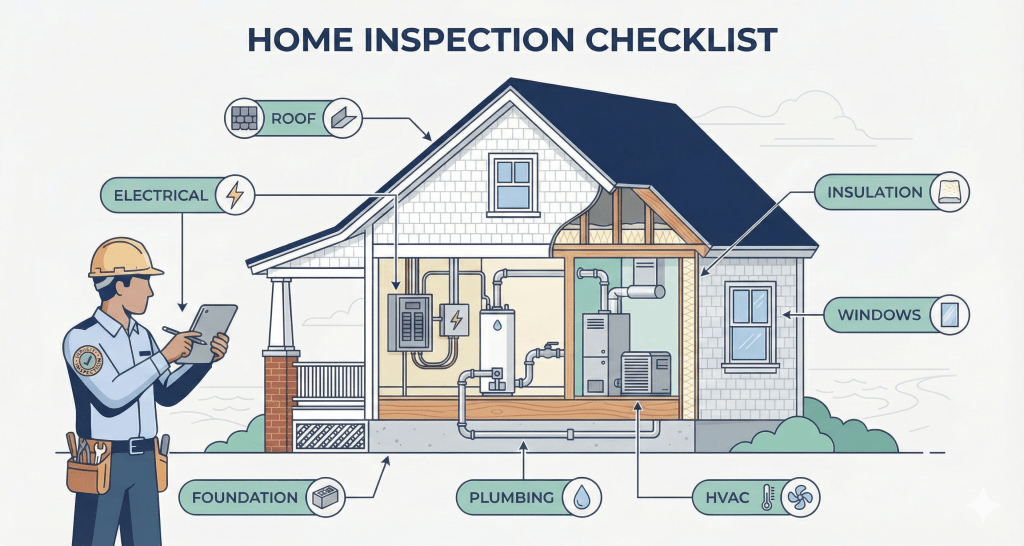
The standard home inspection is the most frequent inspection when buying a house in Connecticut. It provides a thorough look at the entire property—inside and out. Inspectors check the main structural elements such as the foundation, basement, framing, and roof, looking for moisture, cracks, or general wear and tear.
Exterior components like siding, windows, doors, shingles, and gutters are also examined. Connecticut’s weather can be tough on homes, so water intrusion and roof age are key focus areas.
Inside the home, inspectors review plumbing, electrical systems, and HVAC units for safety and functionality. They check for leaks, proper water pressure, correct wiring and grounding, functioning GFCI outlets, and whether heating and cooling systems are in good shape. Attics and interior spaces are evaluated for proper insulation, ventilation, and signs of past water damage.
It’s important to remember that the inspector’s job is to find issues. Even brand-new homes have minor problems. The goal is to understand the home’s condition and plan for future maintenance.
Radon Inspection
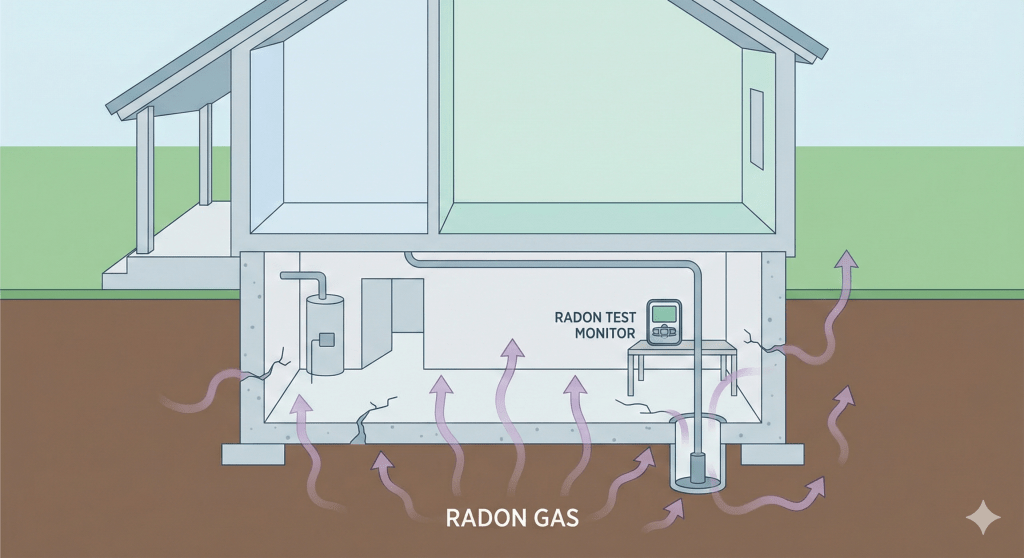
Radon testing is an optional add-on many buyers choose for peace of mind. Radon is a naturally occurring, odorless, and invisible gas that can enter homes through the soil. The test involves placing a monitor in the lowest livable area for 48 hours.
High radon levels can be mitigated with proven, cost-effective systems. Homes with basements, crawl spaces, or those built on rocky Connecticut soil are more likely to have elevated levels, but the only way to know for sure is to test.
Septic Inspection
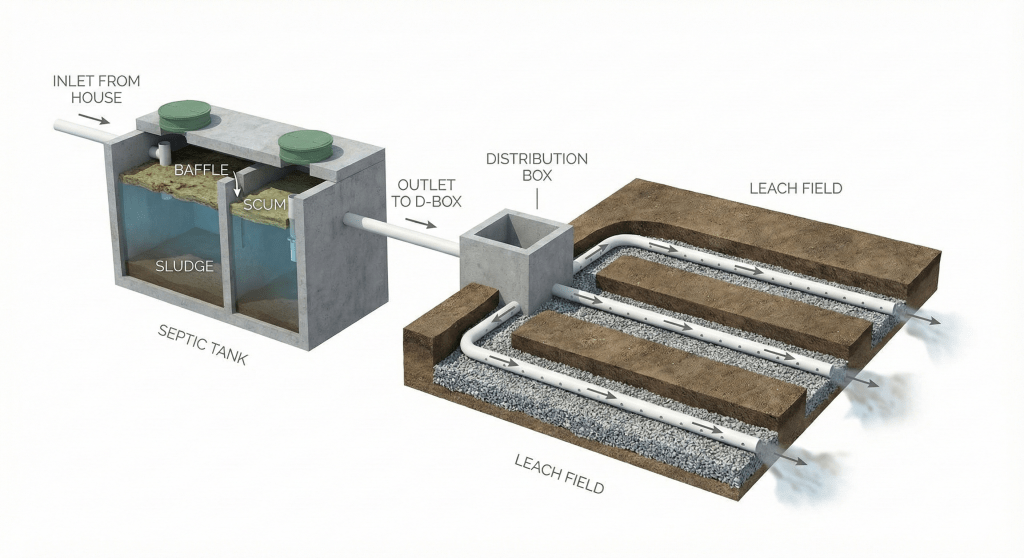
Many shoreline homes in Connecticut have private septic systems. A septic inspection is essential since you can’t evaluate it during a normal walkthrough. Failing systems can be expensive, with replacement costs often ranging from $10,000 to $30,000.
Inspections typically involve pumping the tank, visual examination for cracks or deterioration, camera checks for blockages, and evaluation of the leach field. Your agent may also verify installation records with the local building department. Knowing the condition upfront prevents costly surprises after closing.
Well Inspection
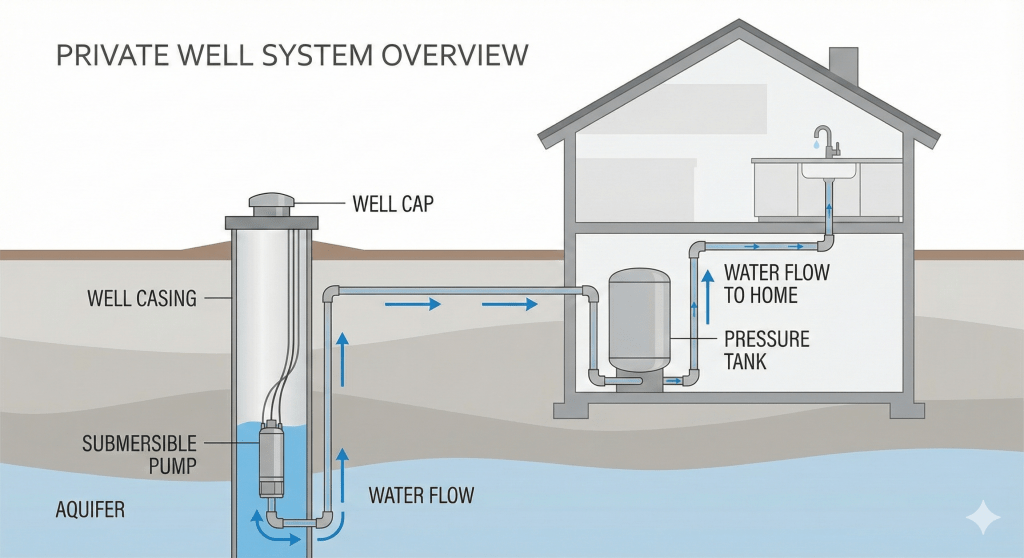
Homes outside denser shoreline areas often rely on private wells. Well inspections check both water quality and flow. Inspectors or water testing companies take samples for bacteria, minerals, pH, and other contaminants. They also confirm consistent water pressure and sufficient flow.
Age and condition of the pump or pressure tank are also evaluated. Like septic systems, checking town records for installation and maintenance is wise. Proper testing helps buyers avoid major water-related issues after moving in.
After the Inspection: Using Your Report
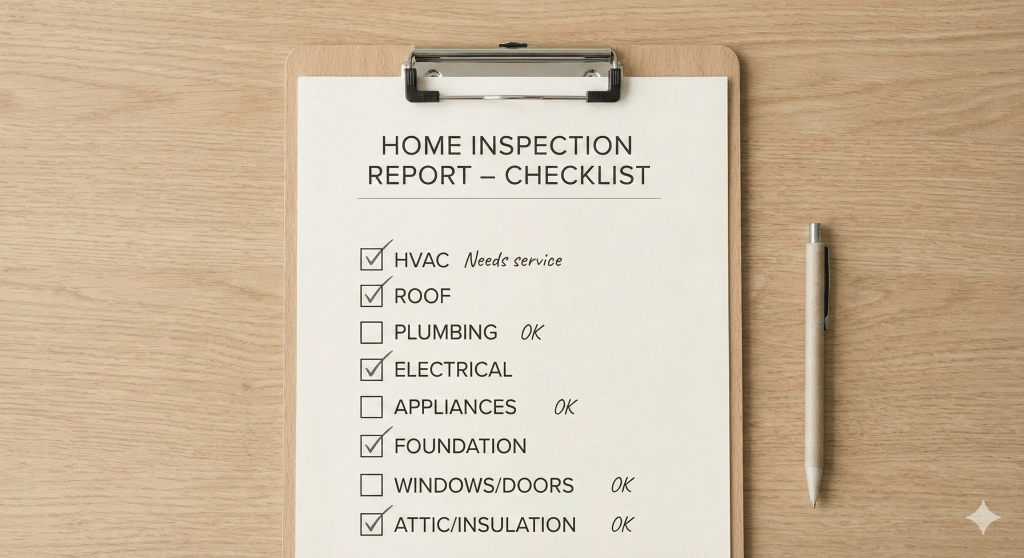
Once inspections are complete, you’ll receive a full home inspection report within 24–48 hours. Review it with your agent to decide which items—if any—you want the seller to repair or offer a credit for. Gathering quotes for these items can help in negotiations.
It’s common to request repairs for major systems or safety concerns, including:
- Non-functioning HVAC components
- Leaks in roofs or plumbing
- Electrical hazards
- Broken appliances
- Septic or well issues
Minor cosmetic items like scratches, outdated finishes, or paint touch-ups are generally not reasonable requests. The goal is not to nickel-and-dime the seller, but to avoid inheriting major problems without a plan to address them.
If a serious problem arises, you may negotiate repairs, a price reduction, or a credit. If an issue was specified as a contract contingency—like a failed septic system or structural defect—you can usually back out without losing your deposit.
A clear home inspection contingency protects your deposit and gives you confidence to move forward—or walk away safely if serious, unforeseen issues arise.
Conclusion
Home inspections are one of the most valuable steps in buying a home in Connecticut. They give you a clear understanding of what you’re purchasing and help you make informed decisions. From general home inspections to radon, septic, and well evaluations, each step provides peace of mind and helps protect your investment. With the right inspections and contingency planning, you can move forward confidently—knowing your new home is safe, functional, and ready for the lifestyle you envision.
 Your Expert Guide to Life Along the Connecticut Shoreline
Leave a comment